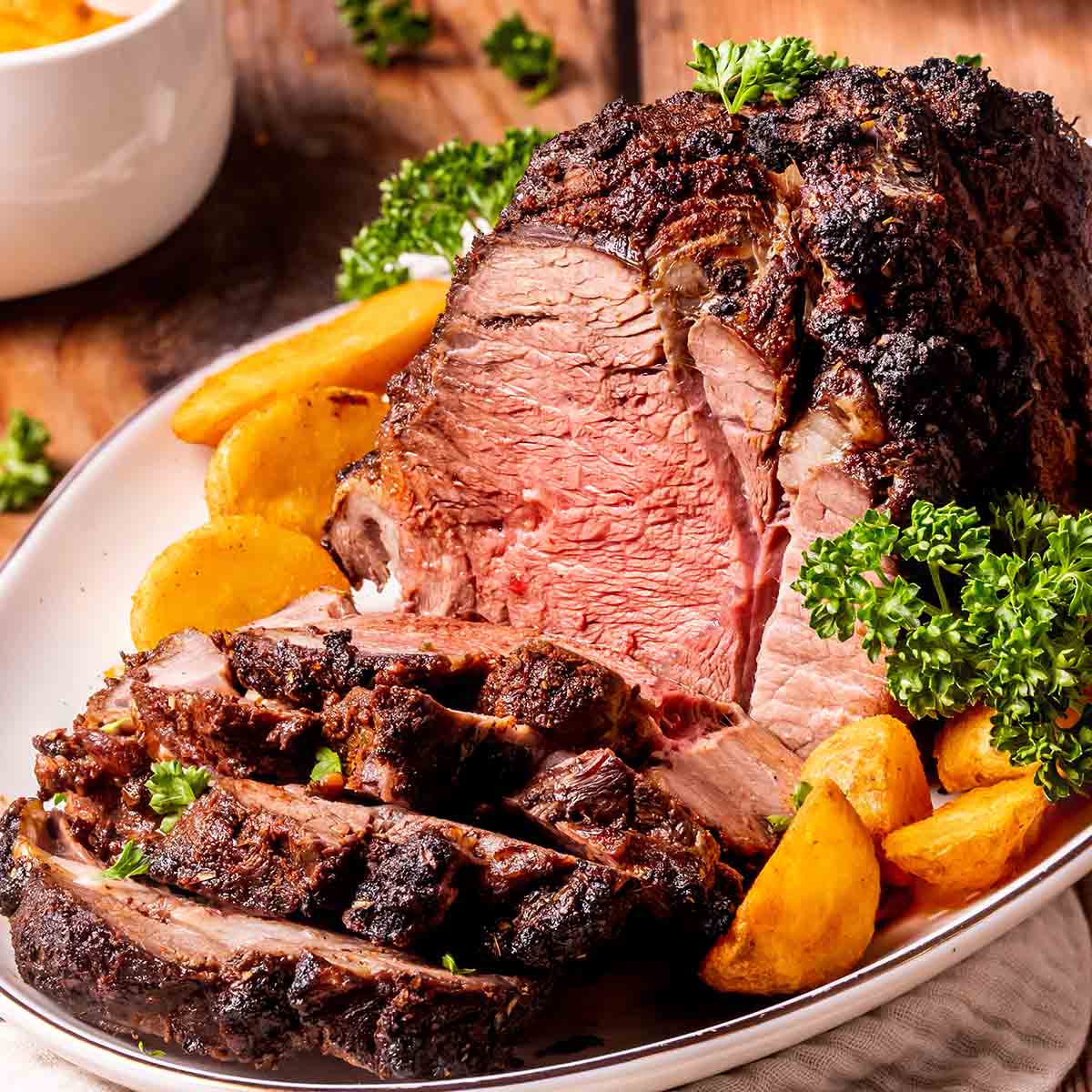
Mastering the Ribeye Roast: The Ultimate Show-Stopping Centerpiece
There are few culinary experiences that rival the grandeur and satisfaction of a perfectly roasted ribeye. More than just a meal, it's a declaration of exceptional taste, a labor of love that culminates in a truly unforgettable feast. For home cooks looking to elevate their kitchen prowess and impress at any gathering, the ribeye roast stands as an unparalleled choice. With its incredible marbling, inherent tenderness, and rich, beefy flavor, a well-prepared ribeye roast is guaranteed to be the star of your dinner table. While it asks for a little patience, the succulent, juicy, and profoundly flavorful results are an absolute testament to its worth. This comprehensive guide will walk you through every step, from selecting your cut to achieving that coveted medium-rare perfection, ensuring your next ribeye roast is nothing short of magnificent.
Unveiling the Majesty of the Ribeye Roast
Why choose a ribeye roast above all others? The answer lies in its unique anatomical advantages and inherent qualities. The ribeye comes from the primal rib section of the steer, an area known for exceptionally tender and flavorful meat due to minimal muscle activity. What truly sets it apart, however, is its magnificent marbling – the intramuscular fat that weaves through the lean muscle. As the roast cooks, this marbling slowly renders, basting the meat from within, infusing it with incredible juiciness, flavor, and an almost melt-in-your-mouth texture that is simply unmatched. Unlike individual steaks, a roast format allows for a more even cooking experience, especially for larger groups, and provides that dramatic, celebratory centerpiece ideal for holidays, special occasions, or just a truly memorable family dinner.
Whether you opt for a boneless or bone-in cut, the ribeye promises a premium dining experience. A bone-in roast often lends an additional layer of flavor and insulation during cooking, while a boneless version offers easier carving. Regardless of your choice, the key is to respect the quality of the meat and employ techniques that enhance its natural splendor, rather than mask it. We aim for a beautiful medium-rare, the sweet spot where tenderness, juiciness, and flavor converge into pure culinary bliss.
The Art of Preparation: Setting the Stage for Success
The journey to a perfect ribeye roast begins long before it ever enters the oven. Meticulous preparation is the secret ingredient to unlocking its full potential.
- Bringing it to Temperature: One of the most critical, yet often overlooked, steps is allowing your ribeye roast to come to room temperature. Remove it from the refrigerator at least 30-45 minutes, or even up to an hour, before you plan to cook. A cold roast hitting a hot oven will cook unevenly, resulting in an overdone exterior and a potentially undercooked interior. Bringing it closer to room temperature ensures a more consistent heat penetration and a more even cook throughout.
- The Generous Salt Brine: Before any other seasoning, generously salt all sides of your roast. Use a good quality coarse sea salt or kosher salt. This initial salting, performed while the roast comes to temperature, acts like a short brine. The salt draws out moisture, which then reabsorbs, carrying the salt deeper into the meat and enhancing its natural flavors from within. Don't be shy; a large roast can handle a surprising amount of salt.
- Crafting Your Flavorful Rub: Once the salt has had time to work its magic, it's time for the flavor enhancers. Black pepper is non-negotiable, adding a crucial earthy bite. Beyond that, the possibilities are endless. Consider a classic blend of garlic powder, onion powder, and dried herbs like rosemary and thyme, or a pre-made Italian seasoning blend. For an extra aromatic kick, finely minced fresh garlic can also be pressed into the meat. Combine your chosen seasonings in a small bowl first, then apply them generously to all surfaces of the roast, gently pressing them in with your fingertips to create a beautiful, flavorful crust. A thin coating of olive oil on the roast before applying the rub can help the seasonings adhere better and contribute to a golden crust.
- Preheating Perfection: A screaming hot oven is essential for achieving that initial, gorgeous crust on your ribeye. Preheat your oven to a blistering 500°F. This high initial temperature creates a Maillard reaction on the surface of the meat, developing deep, complex flavors and a satisfying texture. Ensure your oven is fully preheated before placing the roast inside, typically taking 20-30 minutes after it signals it's reached temperature.
Roasting to Perfection: Techniques for Unforgettable Juiciness
With your ribeye perfectly prepped and your oven roaring, it's time for the main event: the roast. Place your seasoned ribeye roast in a shallow roasting pan, ideally on a rack to allow for even air circulation. Position the roast with the fat cap facing up. As it cooks, the fat will slowly render and baste the meat below, imparting flavor and keeping it incredibly moist and tender. This natural basting is a key element in the ribeye's superior texture.
- The High-Heat Sear and Gradual Cook: Place the roast on the middle rack of your preheated 500°F oven. Let it sear at this high temperature for 15-20 minutes to develop that magnificent crust. After this initial sear, reduce the oven temperature to 325°F (without opening the oven door, if possible, to retain heat). This two-stage cooking method allows for a beautiful exterior while gently bringing the interior to your desired doneness.
- Navigating Cooking Times and Doneness: The general rule of thumb for ribeye roast is approximately 20 minutes per pound. So, a 3-pound roast might take around 60 minutes, while a 6-pound roast could require up to 120 minutes or more. However, this is merely a guideline. Oven calibration, the shape of your roast, and even ambient kitchen temperature can all influence actual cooking times. For a precise and truly Perfect Ribeye Roast: Essential Tips for Medium-Rare Doneness, an accurate internal meat thermometer is your indispensable tool.
- The Indispensable Meat Thermometer: To achieve that perfect medium-rare (or your preferred doneness), an internal meat thermometer is non-negotiable. Insert the probe into the thickest part of the roast, avoiding bone. For medium-rare, aim to remove the roast from the oven when its internal temperature reaches 130-135°F. Remember, the roast will continue to cook a few more degrees out of the oven due to carryover heat. For other doneness levels, here’s a quick guide:
- Rare: 120-125°F (remove at 115-120°F)
- Medium-Rare: 130-135°F (remove at 125-130°F)
- Medium: 135-140°F (remove at 130-135°F)
- Medium-Well: 145-150°F (remove at 140-145°F)
- Resist the Urge to Peek: Every time you open the oven door, you lose precious heat, extending cooking time and potentially affecting the crust. If you have an oven-safe probe thermometer, you can monitor the internal temperature without ever opening the door.
- Optional Basting: While the fat cap will provide natural basting, some home cooks enjoy brushing the roast with garlic butter or pan drippings 2-3 times during the final stages of cooking. This step isn't strictly necessary for a delicious result but can add an extra layer of flavor and an even richer crust. For more insights on achieving that ideal tenderness and juiciness, refer to How to Roast a Ribeye: Achieve Tender, Juicy Perfection.
The Crucial Rest & Slicing for Maximum Tenderness
The moments immediately after your ribeye roast emerges from the oven are just as critical as the cooking itself. Do not cut into it immediately! This is where patience truly pays off.
- The Importance of Resting: Once your roast reaches its target internal temperature, remove it from the oven and transfer it to a carving board. Tent it loosely with aluminum foil. Allow the roast to rest for a minimum of 15-20 minutes, or even up to 30 minutes for larger roasts. During cooking, the meat fibers contract, pushing the juices towards the center. Resting allows these juices to redistribute evenly throughout the roast. Cutting into it too soon will cause those precious juices to run out, leaving you with a drier, less flavorful result.
- Slicing Against the Grain: After resting, it's time for the grand reveal. Use a sharp carving knife and slice the roast against the grain. Slicing against the grain shortens the muscle fibers, making each piece incredibly tender and easy to chew. Slice into desired thickness, typically ½ to ¾-inch slices for a show-stopping presentation.
- Serving Suggestions: A magnificent ribeye roast deserves equally excellent accompaniments. Classic pairings include creamy mashed potatoes, crispy roasted asparagus or Brussels sprouts, a vibrant green salad, or even homemade Yorkshire pudding for a truly traditional touch. Don't forget a simple pan sauce made from the drippings for an extra layer of flavor.
Conclusion
Mastering the ribeye roast is a rewarding culinary journey that culminates in a truly spectacular meal. By understanding the importance of proper preparation – from bringing the meat to temperature and generous seasoning – to employing precise cooking techniques with the help of a meat thermometer, and, crucially, allowing for a sufficient rest, you can consistently achieve a tender, juicy, and immensely flavorful roast. This isn't just about cooking a piece of meat; it's about creating an experience, a centerpiece that brings people together and makes any gathering feel special. Embrace the process, trust the techniques, and prepare to delight in the magnificent results of your perfectly roasted ribeye.
