Perfect Ribeye Roast: Essential Tips for Medium-Rare Doneness
There's an undeniable magic to a perfectly cooked
ribeye roast. It's more than just a meal; it's a centerpiece, a celebration, and a testament to culinary accomplishment. While often associated with gourmet restaurants or holiday feasts, achieving a tender, juicy, and incredibly flavorful medium-rare ribeye roast right in your own kitchen is entirely within reach. Forget the intimidation; with the right techniques and a little patience, you can master this show-stopping dish and impress family and friends alike.
At its core, a ribeye roast offers an unparalleled eating experience thanks to its generous marbling – those exquisite streaks of fat that melt during cooking, basting the meat from within and imparting incredible tenderness and rich flavor. This guide will walk you through every essential step, from preparation to the final, crucial rest, ensuring your ribeye roast reaches that coveted medium-rare perfection.
The Allure of the Medium-Rare Ribeye Roast
Why is the
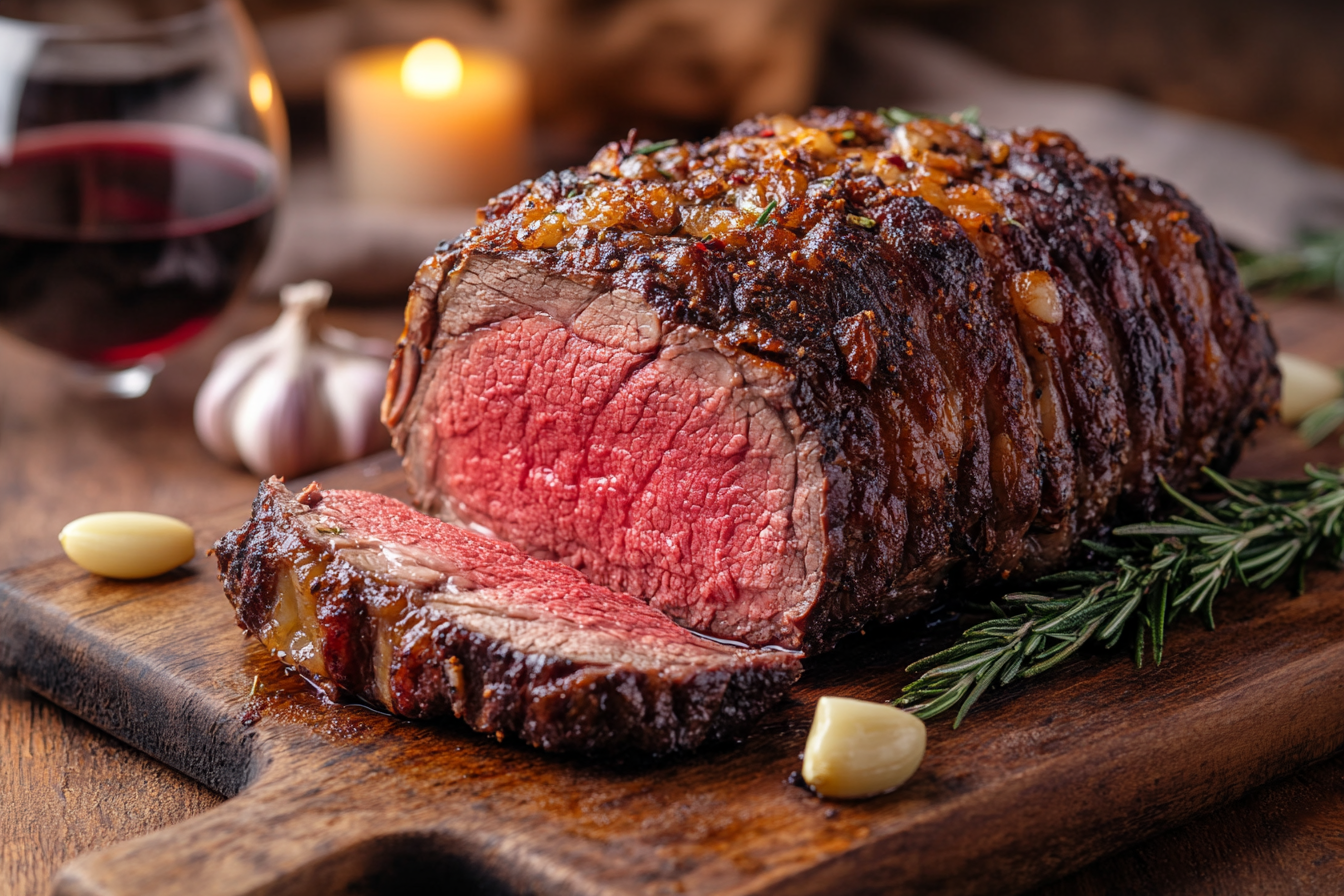
ribeye roast so revered, and why is medium-rare doneness the gold standard? The answer lies in its unique composition. Ribeye, whether boneless or bone-in, boasts a superior fat content compared to many other cuts. This intramuscular fat is key to its succulence and robust taste. When cooked to medium-rare (an internal temperature of 130-135°F), the fat renders beautifully, contributing moisture and depth of flavor without drying out the lean meat. The texture remains incredibly tender, almost melt-in-your-mouth, retaining a vibrant pink hue throughout.
As celebrated chefs like Ina Garten demonstrate, a boneless ribeye roast, seasoned simply and roasted to perfection, becomes an unforgettable centerpiece. Its natural marbling guarantees a tender and flavorful result, making it ideal for gatherings, special events, or any time you desire an elegant yet comforting meal that truly delivers big flavor with minimal fuss.
Preparing Your Ribeye Roast for Success
The journey to a perfect ribeye roast begins long before it hits the oven. Proper preparation is paramount for even cooking, maximum flavor, and that enviable crust.
Choosing Your Roast and Bringing it to Temperature
Start with a high-quality ribeye roast. Look for good marbling – the more white flecks of fat interspersed throughout the red meat, the more flavorful and tender your final product will be. Decide between bone-in or boneless; bone-in roasts often offer even more flavor, while boneless options are easier to carve.
Once you have your roast, the very first step is to remove it from the refrigerator. This is critical. A cold roast will cook unevenly, with the outside potentially overcooking before the center reaches your desired doneness. Allow the roast to rest at room temperature for at least 30-45 minutes. This simple step promotes a more consistent internal temperature throughout the meat, leading to a much more evenly cooked result.
The Power of Salt and Strategic Seasoning
Generous seasoning is non-negotiable for a truly flavorful
ribeye roast. The first and most important seasoning is salt.
*
Early Salting: Season the roast generously with coarse salt (like kosher salt) on all sides when you first take it out of the refrigerator. The salt needs time to penetrate the meat, drawing out moisture and then reabsorbing, leading to a more flavorful and tender roast. This also helps in forming a beautiful crust.
*
Beyond Salt and Pepper: While salt and freshly ground black pepper are essential baseline seasonings, don't hesitate to experiment with other aromatics and spices just before cooking. Consider a robust dry rub featuring garlic powder, onion powder, paprika, dried rosemary, or thyme. For an herbaceous touch, press fresh minced garlic and sprigs of rosemary and thyme directly into the meat. If you're using a mix of dry spices, stir them together first to ensure an even application. Work the seasoning into the roast by gently pressing it with your fingertips, ensuring it adheres well to the surface.
Mastering the Oven Roast to Medium-Rare
With your ribeye roast perfectly prepped and seasoned, it's time to bring on the heat. Our method focuses on a high-heat approach, which creates a fantastic crust while ensuring the interior remains juicy and tender.
The High-Heat Roast Method
Preheat your oven to a scorching 500°F (260°C). This initial high temperature is key to developing a rich, flavorful crust on the exterior of your
ribeye roast, often referred to as the Maillard reaction. As the oven heats, place your seasoned roast in a shallow baking dish, fat side up. Roasting fat side up allows the fat to render down over the meat, continually basting it and infusing it with flavor and moisture.
Calculating Cooking Time for Doneness
One of the most common questions is, "How long does a
ribeye roast take to cook?" While oven temperatures and roast thicknesses can vary, a reliable rule of thumb is approximately 20 minutes per pound for medium-rare doneness.
*
For a 3-pound roast: Expect around 60 minutes of cooking time.
*
For a 6-pound roast: Plan for roughly 120 minutes (2 hours).
Remember, these are guidelines. Thicker roasts may take slightly longer, and every oven behaves a bit differently. The ultimate determinant of doneness will be internal temperature.
Precision with a Meat Thermometer
To achieve that perfect medium-rare, a reliable meat thermometer is your best friend. While the roast is cooking, resist the urge to constantly open the oven door, as this lets out heat and prolongs cooking. If you have an in-oven probe thermometer, use it to monitor the internal temperature without interruption. Otherwise, use a quick-read instant-read thermometer.
For medium-rare, aim to remove the roast from the oven when its internal temperature reaches 125-130°F (52-54°C). This might seem low, but remember that the meat will continue to cook as it rests (a phenomenon known as carryover cooking). You're aiming for a final temperature of 130-135°F after resting. Insert the thermometer into the thickest part of the roast, avoiding bone if present.
Some people enjoy basting their roast periodically with garlic butter or olive oil. While not strictly necessary for a juicy result with a well-marbled ribeye, it can add extra flavor to the crust. If you choose to baste, do so sparingly to avoid opening the oven too often. Always cook the roast uncovered; this helps the exterior crisp up beautifully.
The Essential Post-Roast Rest & Carving
You've cooked your
ribeye roast to the perfect internal temperature. Now comes a step that is as critical as the cooking itself: resting. Skipping this step is a common mistake that can lead to a dry roast, even if perfectly cooked.
The Critical Rest Period
Once you pull the roast from the oven, immediately transfer it to a cutting board and tent it loosely with aluminum foil. Do not cut into it right away. The rest allows several crucial things to happen:
*
Carryover Cooking: As mentioned, the roast's internal temperature will continue to rise by another 5-10 degrees. This ensures it reaches the ideal medium-rare.
*
Juice Redistribution: During cooking, the muscle fibers contract, pushing juices towards the center of the roast. Resting allows these juices to redistribute evenly throughout the meat. If you cut it too soon, those precious juices will simply gush out onto your cutting board, leaving you with a drier roast.
Allow your ribeye roast to rest for at least 15-30 minutes, depending on its size. For a larger roast, closer to 30 minutes is ideal.
Carving for Presentation and Tenderness
After the essential rest, it's time to carve your magnificent
ribeye roast. Use a sharp carving knife and slice against the grain. Cutting against the grain shortens the muscle fibers, resulting in incredibly tender, easy-to-chew slices. Serve immediately with your favorite accompaniments, and enjoy the fruits of your labor!
Mastering the perfect medium-rare ribeye roast is a rewarding culinary journey. By understanding the importance of proper preparation, precise cooking temperatures, and the crucial resting period, you'll be able to create a tender, juicy, and immensely flavorful masterpiece every time. This isn't just dinner; it's an experience to savor and share.